
Worksheets get a bad reputation when they are overused, but they remain one of the most practical tools in elementary classrooms. Used well, they provide focused practice, quick checks for understanding, and homework students can complete independently. Used poorly, they become busy work that drains engagement without improving learning.
This guide explains when to use worksheets, when to skip them, and how to fit them into a balanced instructional week. You will leave with five clear rules, differentiation ideas, and links to free generators that save prep time without lowering quality.
Why Do Worksheets Still Matter in Classrooms?
Worksheets still matter because they give every student a chance to practice at their own pace, create a written record of skills, and support parents who want to see what children are learning. They are portable, printable, and easy to align to standards. That practicality keeps them in daily use even as digital tools grow.
The debate is not worksheets versus engagement. It is thoughtful worksheet use versus filler. Research on practice and retrieval supports short, repeated skill work when students already understand the concept. The National Council of Teachers of Mathematics encourages balancing procedural fluency with reasoning, and worksheets can support fluency when paired with discussion and varied activities.
When Should You Use Worksheets in the Classroom?
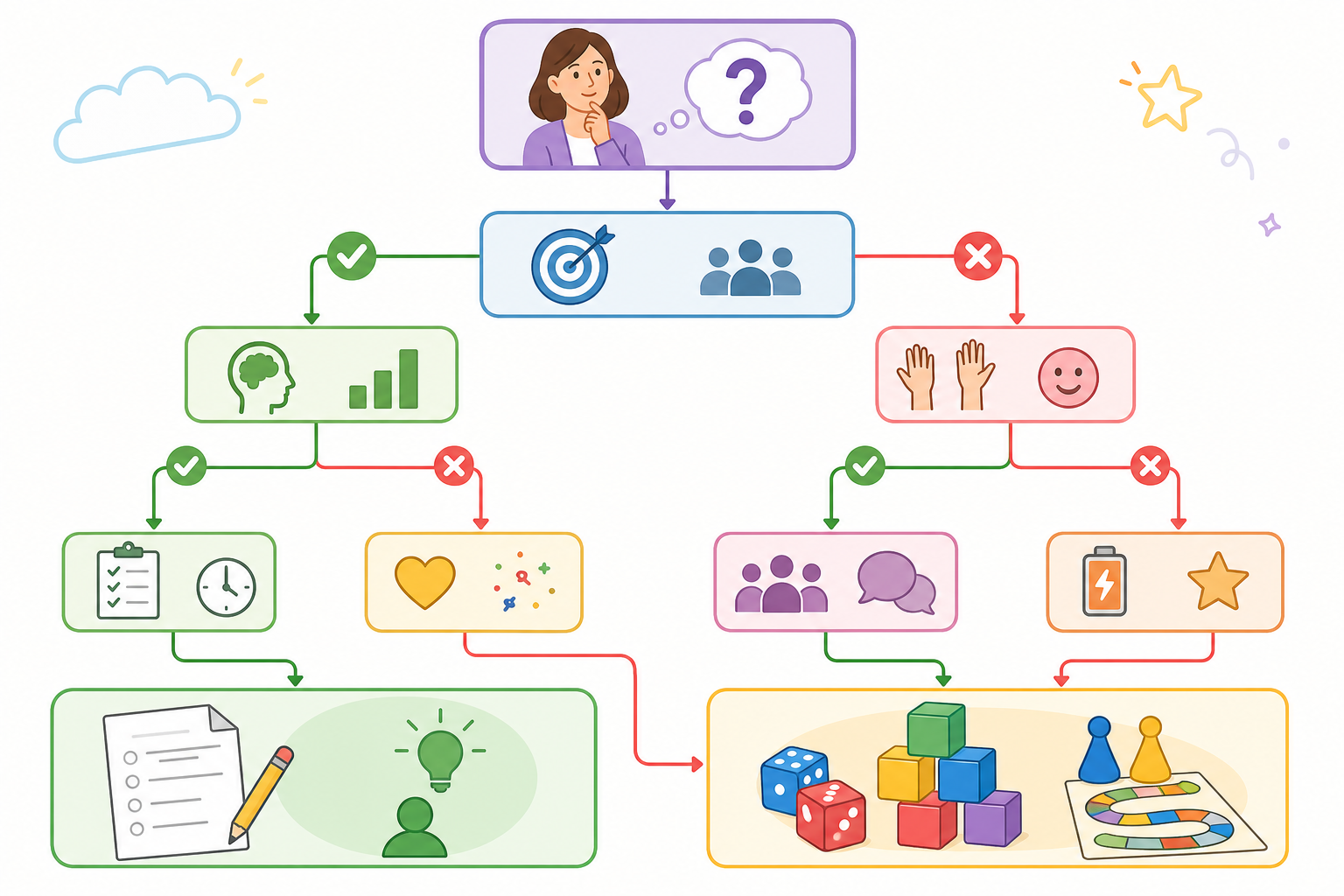
Use worksheets after you have taught and modeled a skill, during independent work time, for spiral review, and for brief assessments. Skip worksheets when introducing brand-new concepts, when students need collaboration, or when the class needs movement and discussion to stay engaged.
Morning work is a common worksheet window. Our morning work routine guide shows how to structure ten to twenty minutes of review without turning the start of the day into a grading pile.
What Are Five Rules for Effective Worksheet Use?
These five rules keep worksheets purposeful. Post them in your planning folder or share them at a grade-level meeting so your team uses a consistent approach.
1. Teach first, worksheet second
Never assign a page on a skill you have not modeled. Students should recognize the format and strategy before working alone.
2. Keep it short and focused
One skill per page or per side. Ten well-chosen problems beat thirty random ones that fatigue students and bury your feedback.
3. Connect to the lesson objective
Tell students why they are practicing: "Today we are building speed with subtraction regrouping." Purpose increases effort and retention.
4. Mix with non-paper practice
Alternate worksheet days with games, partner tasks, and manipulatives so practice does not feel like punishment.
5. Give timely feedback
Spot-check, self-check with answer keys, or review together within 24 hours. Unchecked worksheets teach students that the work did not matter.
Create custom practice for this week's unit
Generate math or tracing worksheets matched to your lesson objective.
Which Worksheet Types Fit Which Purpose?
Not every worksheet plays the same role. Label your files or folders by purpose so you grab the right type during lesson planning.
| Type | When to use | Example |
|---|---|---|
| Guided practice | Right after whole-group instruction | Five problems done together, then five alone on the same page |
| Independent practice | Small groups or seat work while you teach another group | Grade-level math sheet matched to the current unit |
| Review and spiral | Morning work, centers, or homework | Mixed skills page from prior units to prevent forgetting |
| Quick assessment | End of lesson or end of week | Short quiz-style page to check who needs reteaching |
Match worksheets to grade-level landing pages for quick access: 3rd grade math worksheets, kindergarten math worksheets, or letter tracing worksheets for early literacy blocks.
How Do You Differentiate Worksheets for Mixed Ability Classes?
Differentiation does not require three completely different lessons. Often you need three versions of the same skill or different problem counts on one objective.
- Tier by number range: Some students practice facts within 10 while others work within 20.
- Tier by length: Same format, fewer problems for students who need more time.
- Support with tools: Allow charts, manipulatives, or partner checks on practice pages, not on assessments.
- Use generators: Build custom sets in minutes instead of searching for the perfect pre-made page.
For homework communication with families, share strategies from our math homework help guide so parents support practice without doing the work for students.
What Worksheet Mistakes Should Teachers Avoid?
The fastest way to lose student trust is assigning pages that feel pointless. Avoid these common habits and worksheets regain their value as a teaching tool.
- Worksheets as punishment: Extra pages for behavior teach students to hate practice.
- No feedback loop: Collecting papers without review wastes student effort and your time.
- Only worksheets all week: Balance with math games and hands-on models.
- Teaching from the worksheet: If students need the paper to learn the skill, you skipped the lesson.
- Ignoring engagement: When eyes glaze over, switch format even if the unit schedule says "worksheet day."
The U.S. Department of Education highlights engaging instruction and evidence-based practice. Worksheets fit that picture when they are one part of a varied week, not the whole plan.
Key Takeaways
- Use worksheets after instruction for practice, review, and quick checks.
- Keep pages short, focused, and connected to a clear lesson objective.
- Balance paper practice with games, discussion, and manipulatives.
- Differentiate by level, length, or supports instead of one-size-fits-all packets.
- Give feedback quickly so students know the work mattered.
Conclusion
Learning how to use worksheets effectively in the classroom is about intention, not elimination. Short, purposeful practice reinforces skills, supports differentiation, and gives families a window into learning. Pair worksheets with strong instruction and varied activities, and they stay a tool you reach for with confidence.
Plan next week with one guided practice page, one independent sheet, and one game day for the same skill. Your students will practice more and complain less.
Build classroom-ready worksheets in minutes
Free math, tracing, and quiz tools for K-6 teachers.
Create Free WorksheetsRelated Articles
- Morning Work Routine with Worksheets — daily worksheet structure
- Free Printable Worksheets for Homeschool — planning for home educators
- 5 Ways to Make Math Practice Fun at Home — balance worksheets with play
Frequently Asked Questions
Use worksheets for targeted practice after instruction, not as a substitute for teaching. Assign short, focused pages that review one skill, pair them with discussion or games, and differentiate by level when needed. Limit drill-heavy packets and balance paper practice with hands-on and collaborative work.